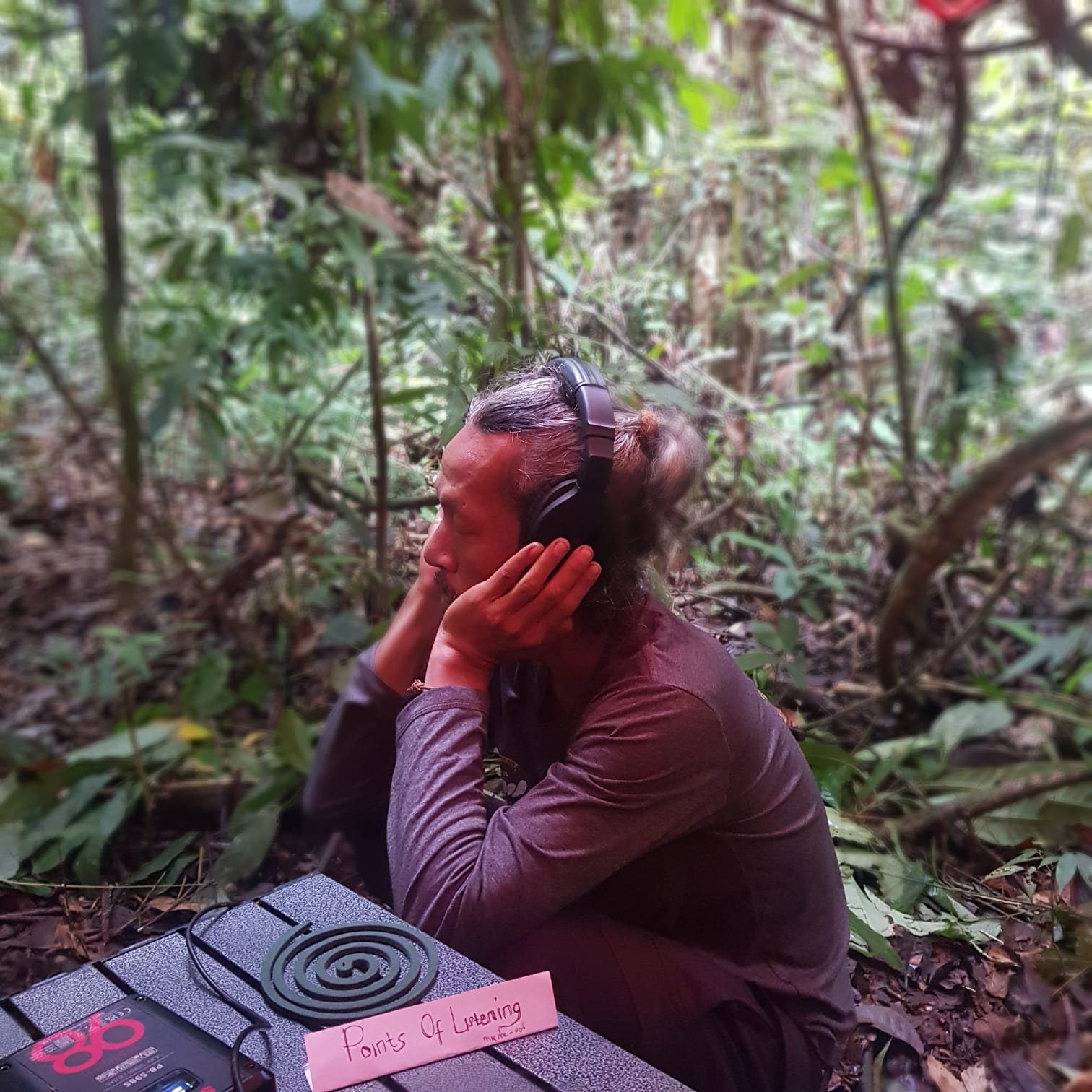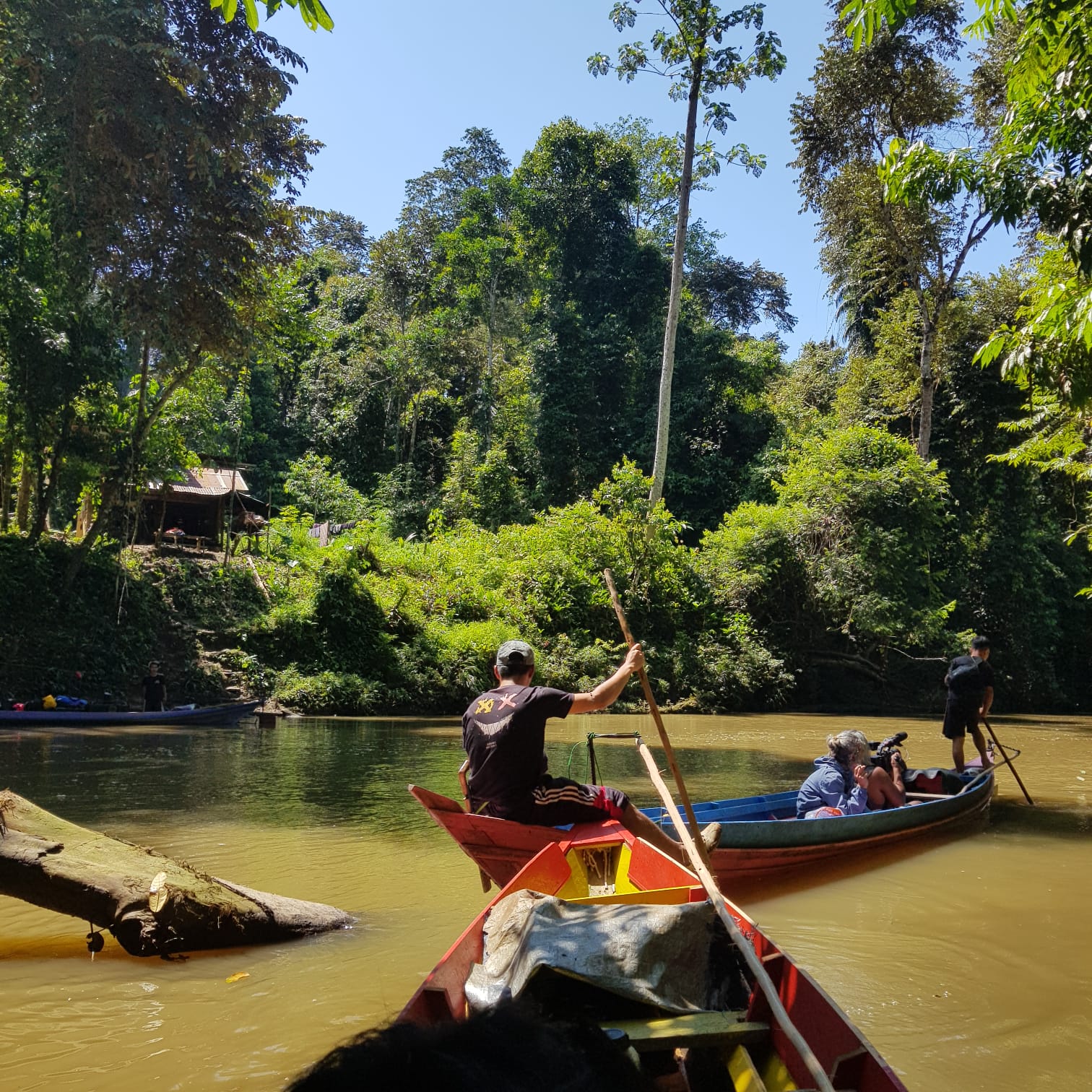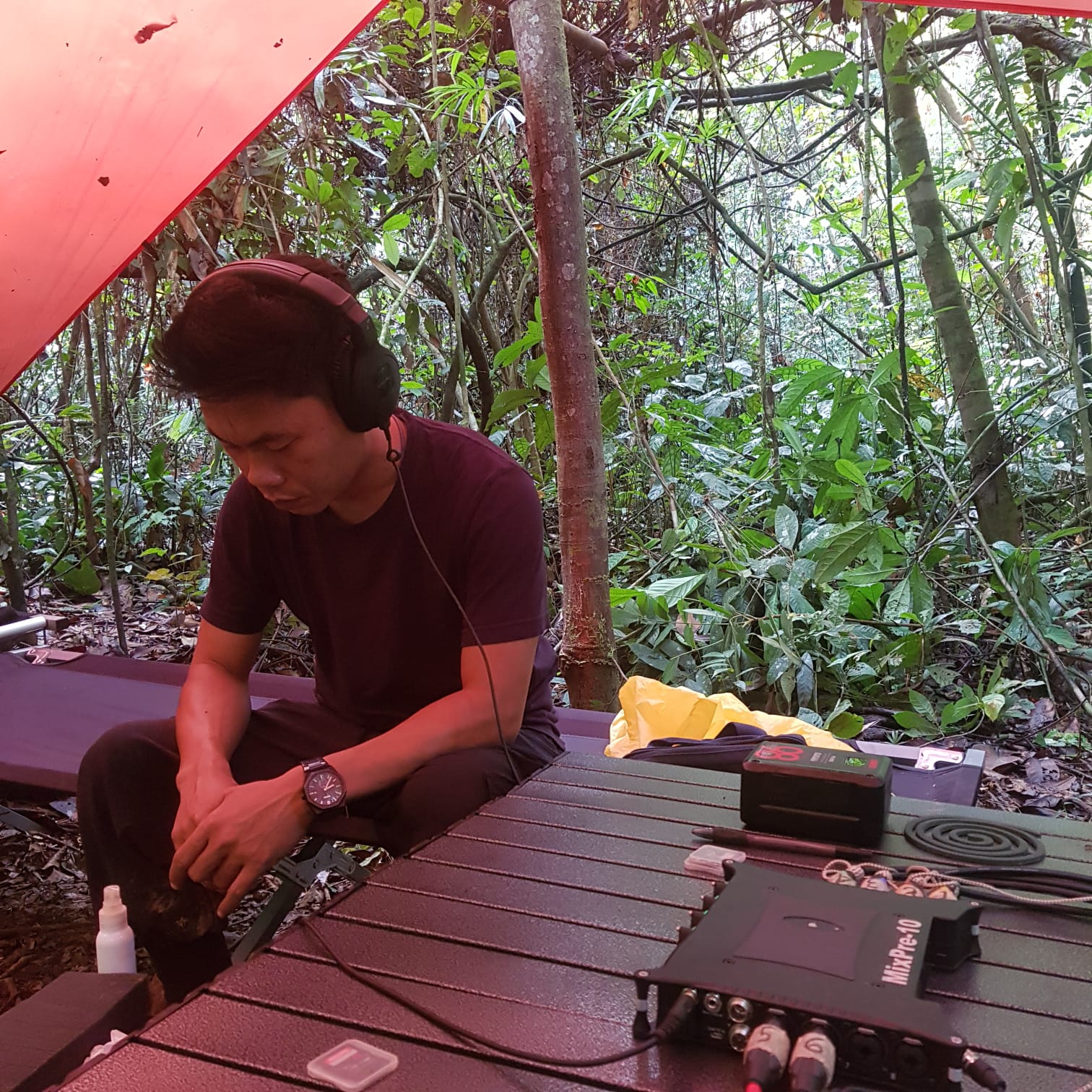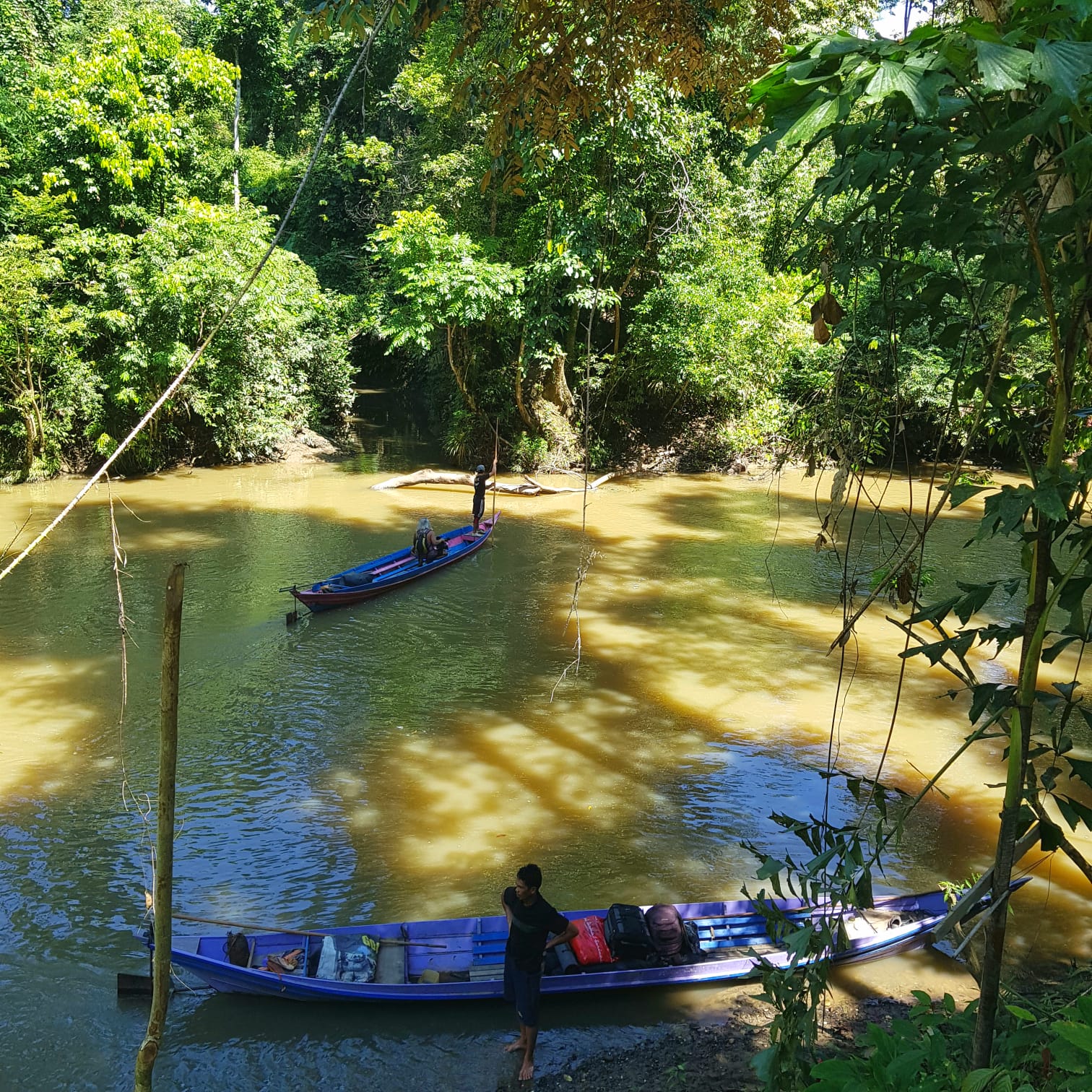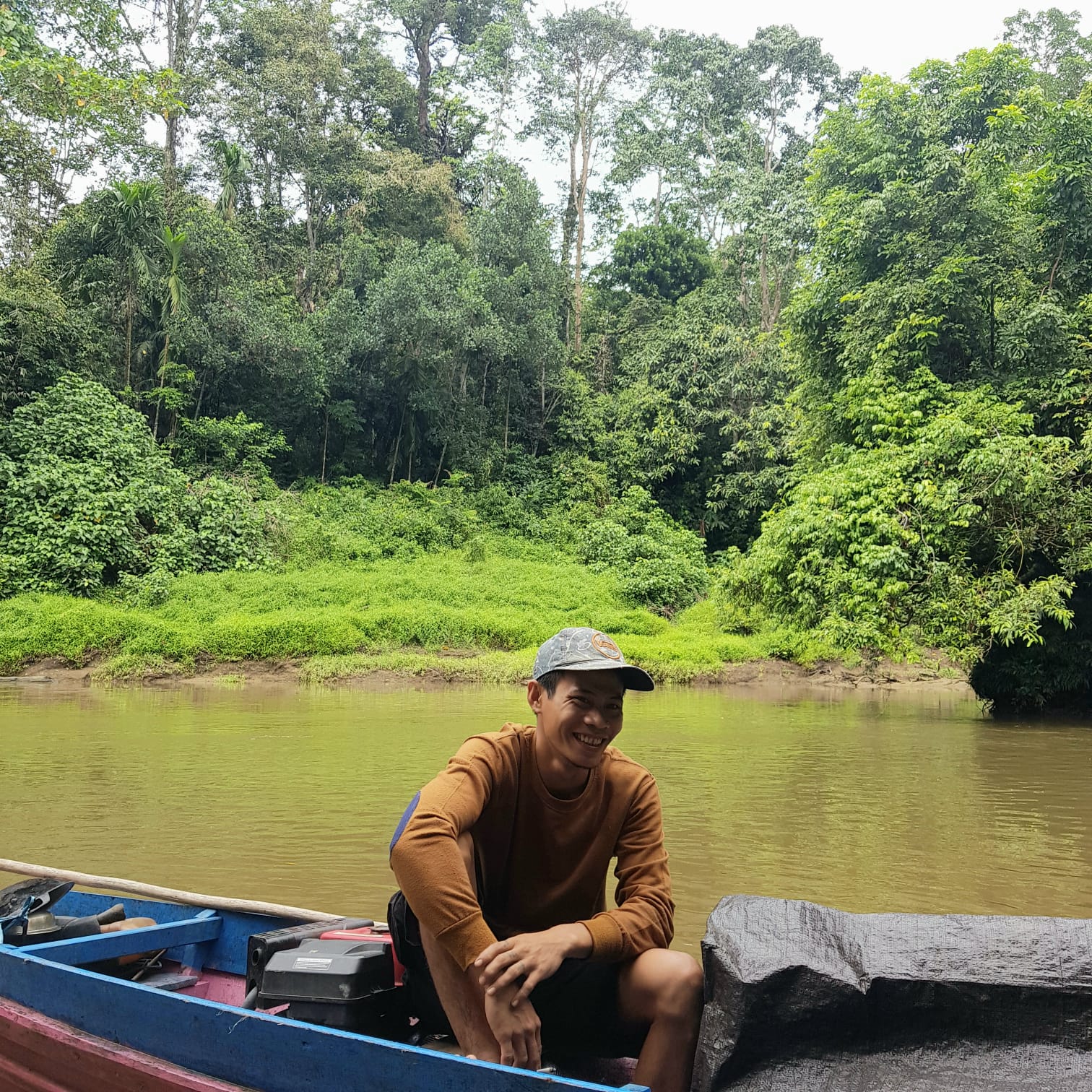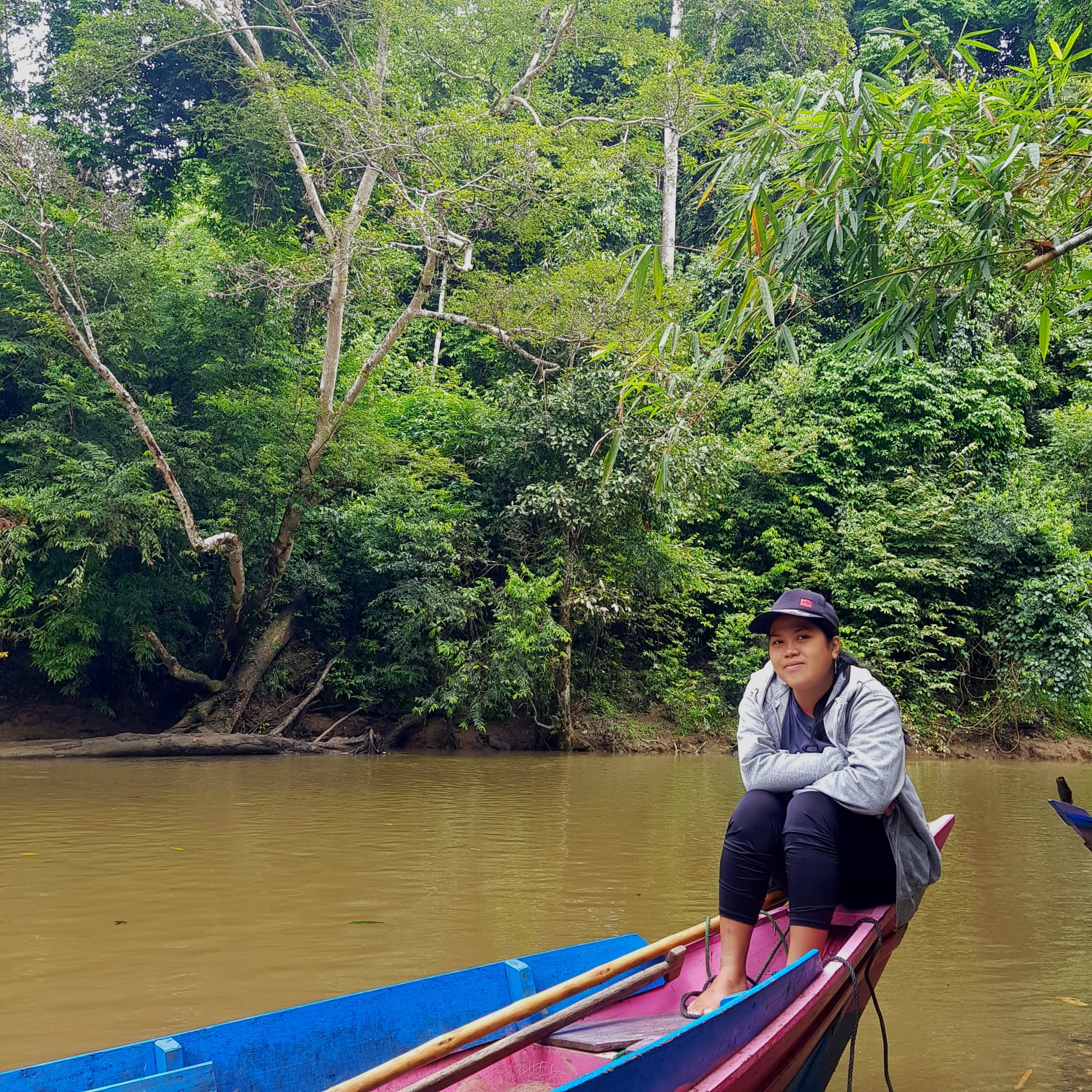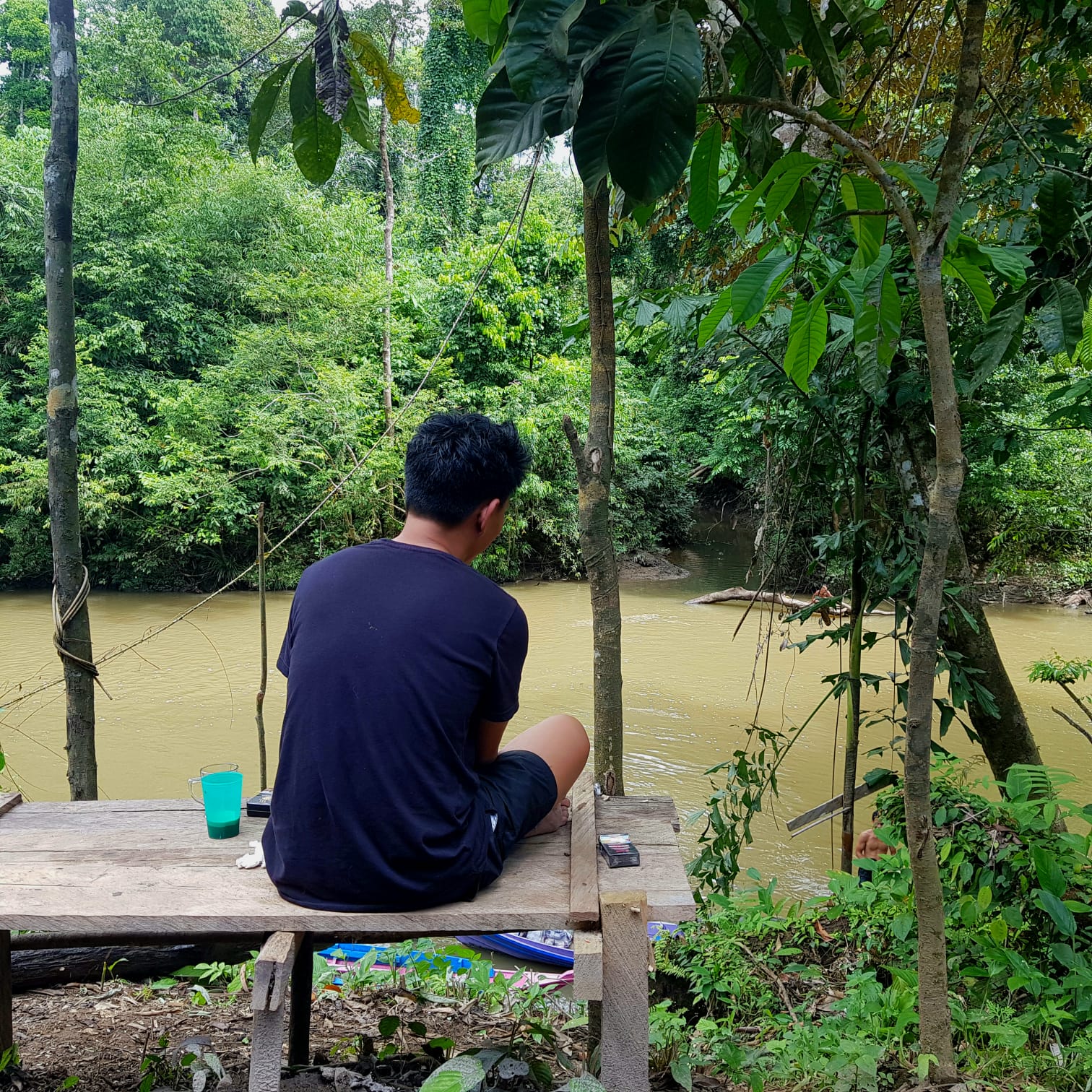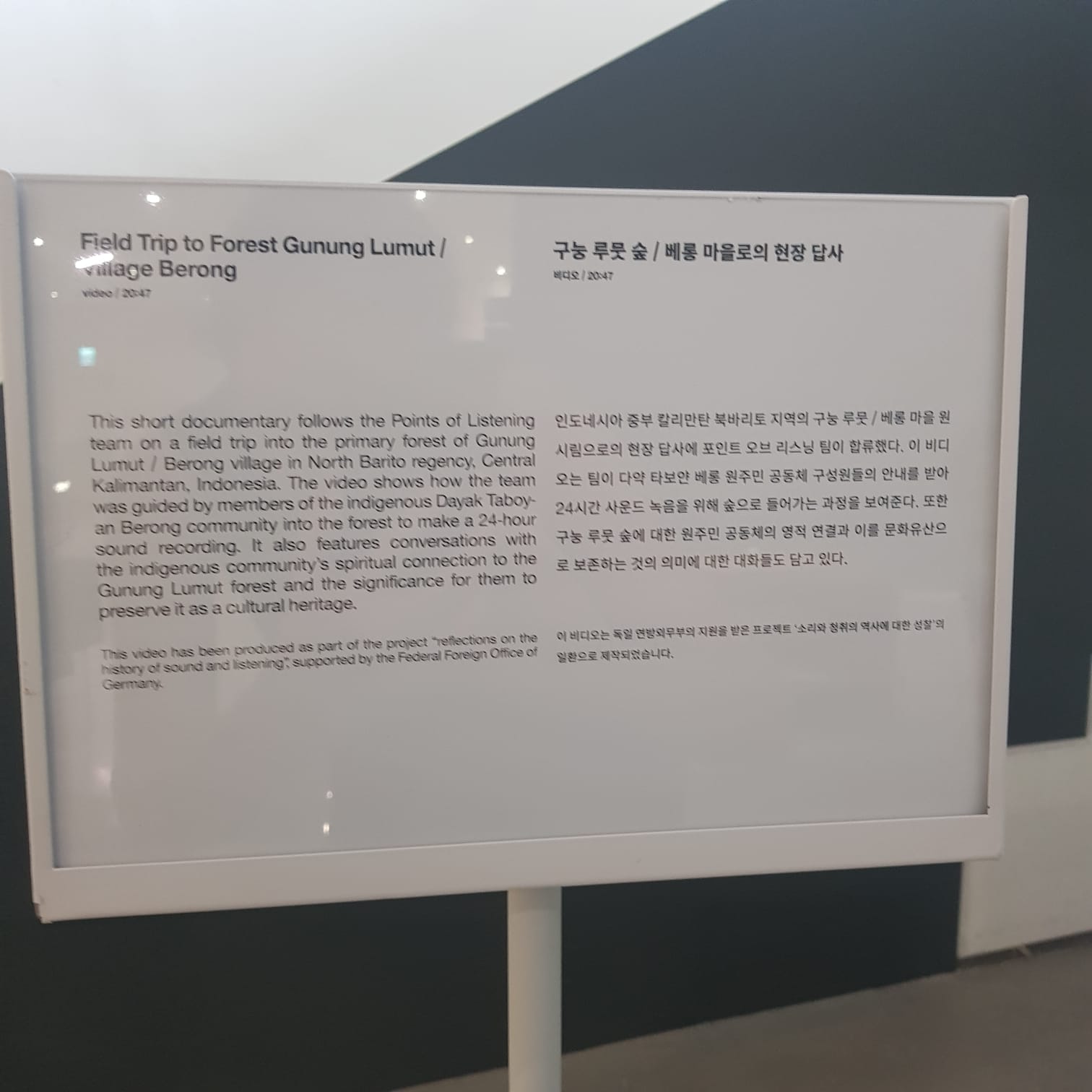
The project centers on two field expeditions to the Mount Lumut forests near Berong village, North Barito, Central Kalimantan — homeland of the Dayak Taboyan, an Indigenous community whose livelihood and cosmology remain deeply intertwined with the forest and the animistic tradition of Keharingan.
In collaboration with the Borneo Nature Foundation and the Bioacoustics Department of Muhammadiyah University Palangkaraya, and under the guidance of the Berong community, the Points of Listening team conducted 24-hour bioacoustic recordings across multiple forest sites. These recordings formed the basis of a study on the sonic geographies of Mount Lumut, examining how the forest’s acoustic patterns relate both to ecological dynamics and to the cultural knowledge and practices of the Taboyan community.
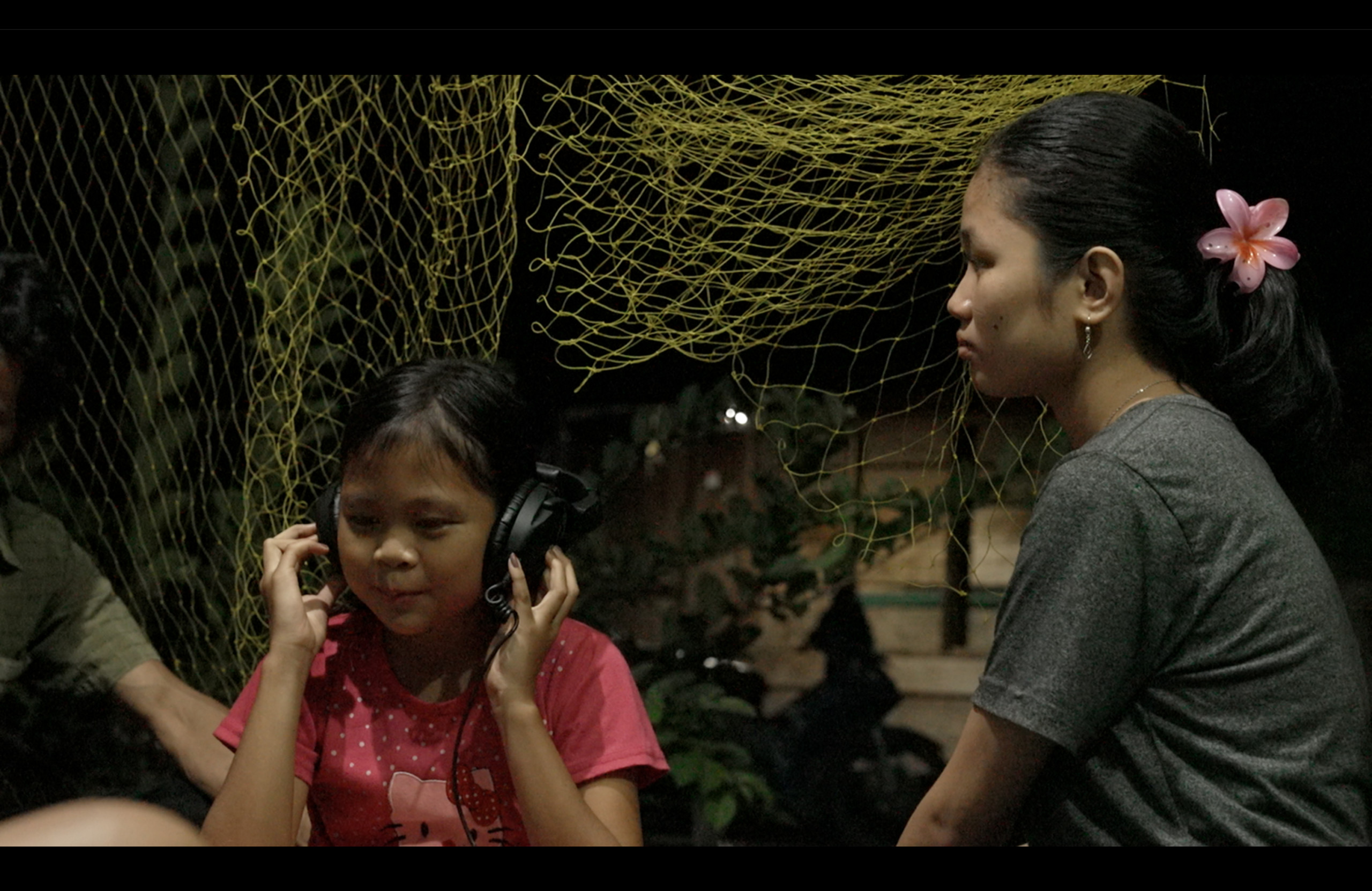
After each expedition, the team and community members held collective listening sessions, where the recorded sounds became catalysts for dialogue. Through shared reflection, stories, and memories, participants revealed how the forest’s sonic environment resonates with ancestral knowledge, ritual practices, and the mythologies rooted in Keharingan.
The research project “reflections on the history of sound and listening” is now evolving into various documentary formats, connecting sound, image, and community narratives to explore how listening can serve as both a method of artistic inquiry and a form of ecological and cultural remembrance.
In August 2025, we shared early excerpts of this ongoing work at the National Museum of Modern and Contemporary Art in Seoul. Presented in the museum’s lobby as part of the performative sound installation HUTAN, the screening offered audiences a glimpse into the evolving dialogue between forest, sound, and community.
The field trips are part of a the research project, titled ‘Reflections on the History of Sound and Listening’, funded by the German Federal Foreign Office as part of its cultural preservation program.